
When disaster strikes, the images can leave us speechless: homes swept away, families separated, communities buried, and lives changed in an instant.
Across the world, earthquakes, floods, fires, storms, landslides, and other natural disasters continue to bring unimaginable suffering. Most recently, catastrophic flooding in the Himalayas along the Nepal–Tibet border has taken hundreds of lives, left many missing, displaced families, and destroyed entire communities.
In the face of such tragedy, we naturally ask: Why does God allow this? And what is an Orthodox Christian supposed to do?
The Orthodox Christian response begins not with an easy explanation, but with compassion.
Our Lord Jesus Christ never taught us to look upon another person’s suffering from a distance. He entered into human suffering Himself. He wept. He comforted. He healed. He fed the hungry. He embraced those whom others had forgotten.
And He told us plainly:
“For I was hungry and you gave Me food; I was thirsty and you gave Me drink; I was a stranger and you welcomed Me.” — Matthew 25:35
When people suffer anywhere in the world, they become our neighbors.
They may speak another language. They may live thousands of miles away. They may belong to another nation, culture, or faith. But they remain children of God, created in His image and worthy of our love.
So what should we do?
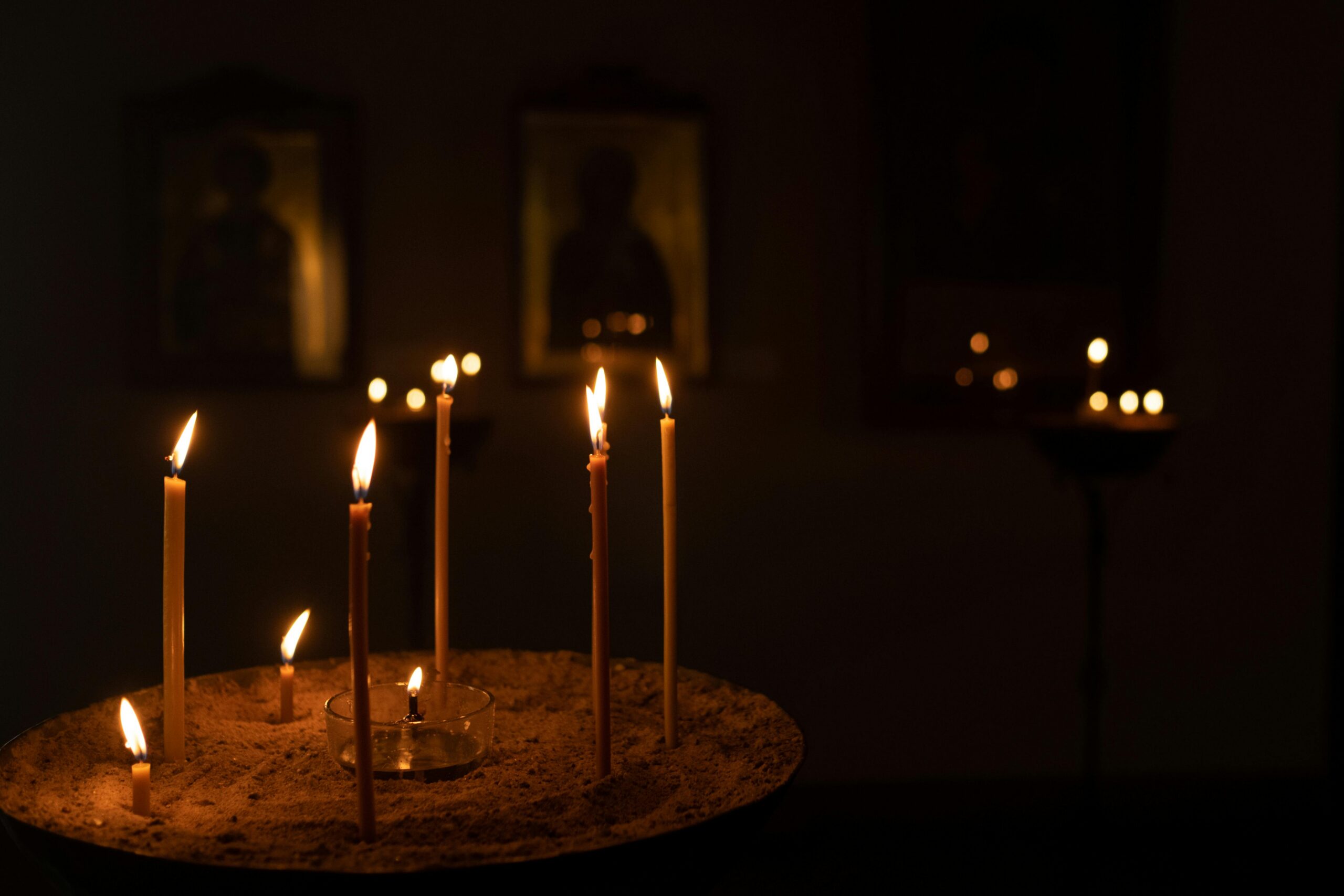
First, we pray.
We pray for those who have died, that the Lord may grant them rest. We pray for those who are missing and for the families desperately awaiting news. We pray for the injured, the displaced, and those who have lost homes and livelihoods. And we pray for rescuers, medical personnel, clergy, relief workers, government officials, and volunteers placing themselves in harm’s way to save others.
But Orthodox Christianity never allows prayer to become an excuse for inaction.
We must also act.
If we can give, we give.
If we can support legitimate humanitarian organizations, we support them.
If we can encourage our parishes and communities to respond, we do so.
If we can comfort someone who is frightened or grieving, we offer our presence.
International Orthodox Christian Charities and other responsible humanitarian organizations remind us that Christian philanthropy is not limited by nationality, ethnicity, or religion. We serve because Christ commanded us to love.
And finally, we must resist despair.
Natural disasters remind us painfully that human life is fragile. In a matter of moments, everything we consider permanent can disappear.
But they also reveal something extraordinary about humanity.
In the middle of devastation, strangers rescue strangers. Neighbors carry one another to safety. Doctors work without sleep. First responders risk their lives. People across continents give what they have to people they will never meet.
For an Orthodox Christian, these moments remind us that darkness does not have the final word.
Christ does.
Our faith does not promise a world without suffering. It proclaims something far greater: that God enters our suffering, remains with us in it, and calls His people to become instruments of His mercy.
Today, let us pray for the people suffering in the Himalayas and for victims of disasters everywhere.
But after we say “Lord, have mercy,” let us ask one more question:
“Lord, how can I become an instrument of Your mercy?”
Because perhaps the most Christian response to tragedy is not simply to ask, “Why did this happen?”
It is to ask:
“Who is suffering—and what can I do to help?”
May our Lord Jesus Christ comfort those who mourn, strengthen those who rescue, heal those who are injured, shelter those who have lost their homes, and grant eternal rest to those who have lost their lives.
Lord, have mercy upon Your world.